Financing an investment property is different from financing a primary residence. Lenders see rental properties as higher risk, so investment property loan requirements often include a larger down payment, stronger credit and reserves. Understanding how investment property financing works helps you prepare and set realistic expectations.
The short answer: investment property loans typically require a larger down payment, stronger credit and reserves, and lenders may count a portion of expected rental income toward your qualification. Learn more on our investment property loans page.
What is an investment property loan?
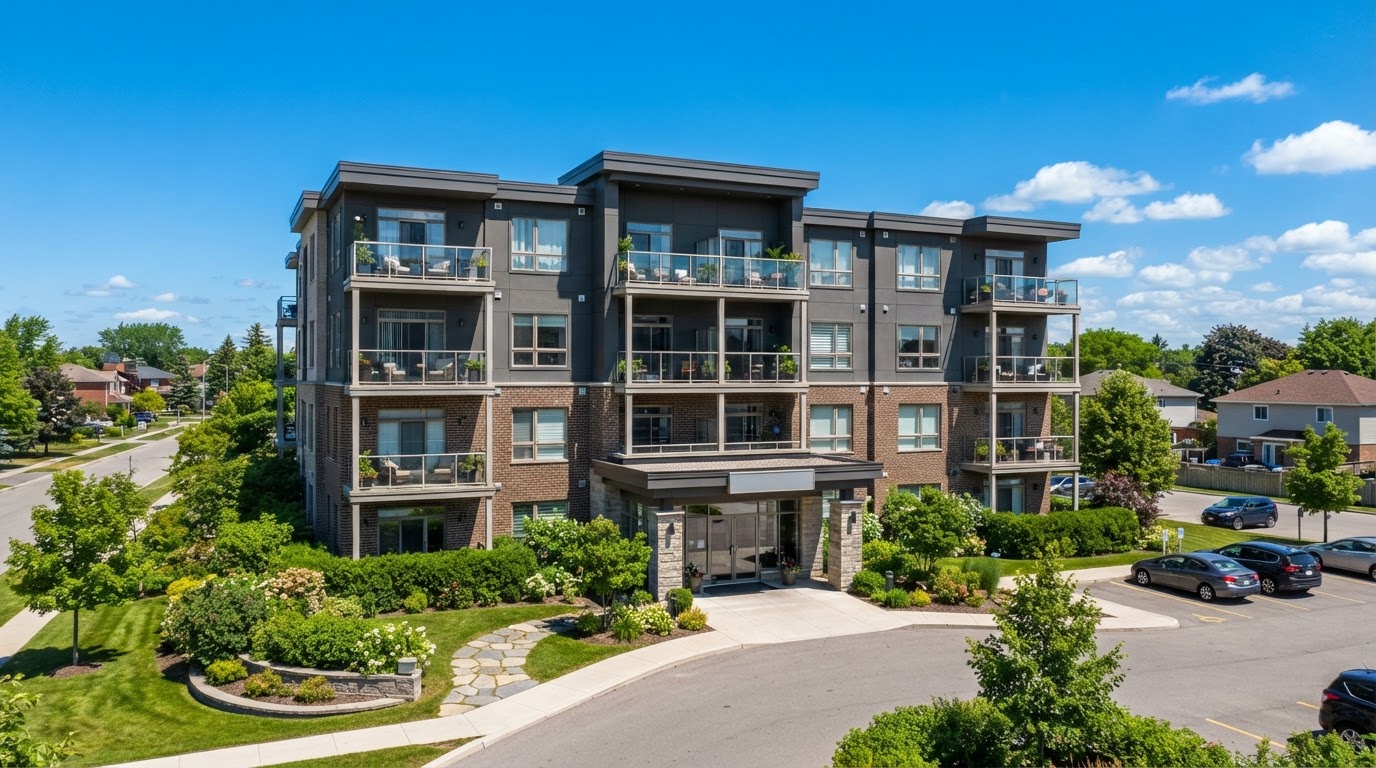
An investment property loan is a mortgage for a property you do not intend to live in as your primary residence. You buy the property to rent it out or to hold it for appreciation. Because the property is not your primary home, lenders apply different guidelines.
Down payment requirements
Investment property loans usually require a larger down payment than loans for a primary residence. The exact amount depends on the lender, the loan program and the number of properties you own. A larger down payment lowers the lender's risk and your monthly payment.
Credit and income requirements
Lenders typically look for a stronger credit profile for investment properties. They also review your income and debt-to-income ratio, including the mortgage on the investment property and any other properties you own.
Rental income and how lenders count it
Lenders may count a portion of the expected rental income toward your qualification, which can help your debt-to-income ratio. To use rental income, lenders usually want:
- A lease agreement or a rent estimate from an appraiser
- Proof that the property is rentable
- A history of rental income if you already own investment properties
Lenders often use a percentage of the gross rent, not the full amount, to account for vacancies and expenses.
Reserves
Lenders often require investment property borrowers to have reserves, which are savings left over after closing. Reserves show the lender you can cover the mortgage if the property is vacant or needs repairs. The reserve requirement can be several months of mortgage payments for each property you own.
Interest rates and costs
Investment property loans often have higher interest rates than loans for primary residences, because the lender takes on more risk. You may also pay higher mortgage insurance, if it is required, and higher closing costs.
Cash flow and risk
Before you buy, estimate the property's cash flow:
- Expected rent
- Mortgage payment, including taxes and insurance
- Maintenance and repairs
- Property management fees, if you use them
- Vacancy allowance
A property with positive cash flow can be a good investment, but a property with negative cash flow costs you money each month. Consider the risks, including vacancies, unexpected repairs and changes in the rental market.
How to prepare for an investment property loan
- Review your credit and resolve any errors.
- Gather your income, asset and debt documentation.
- Save for a larger down payment and reserves.
- Research the rental market where you want to buy.
- Estimate the property's cash flow before you make an offer.
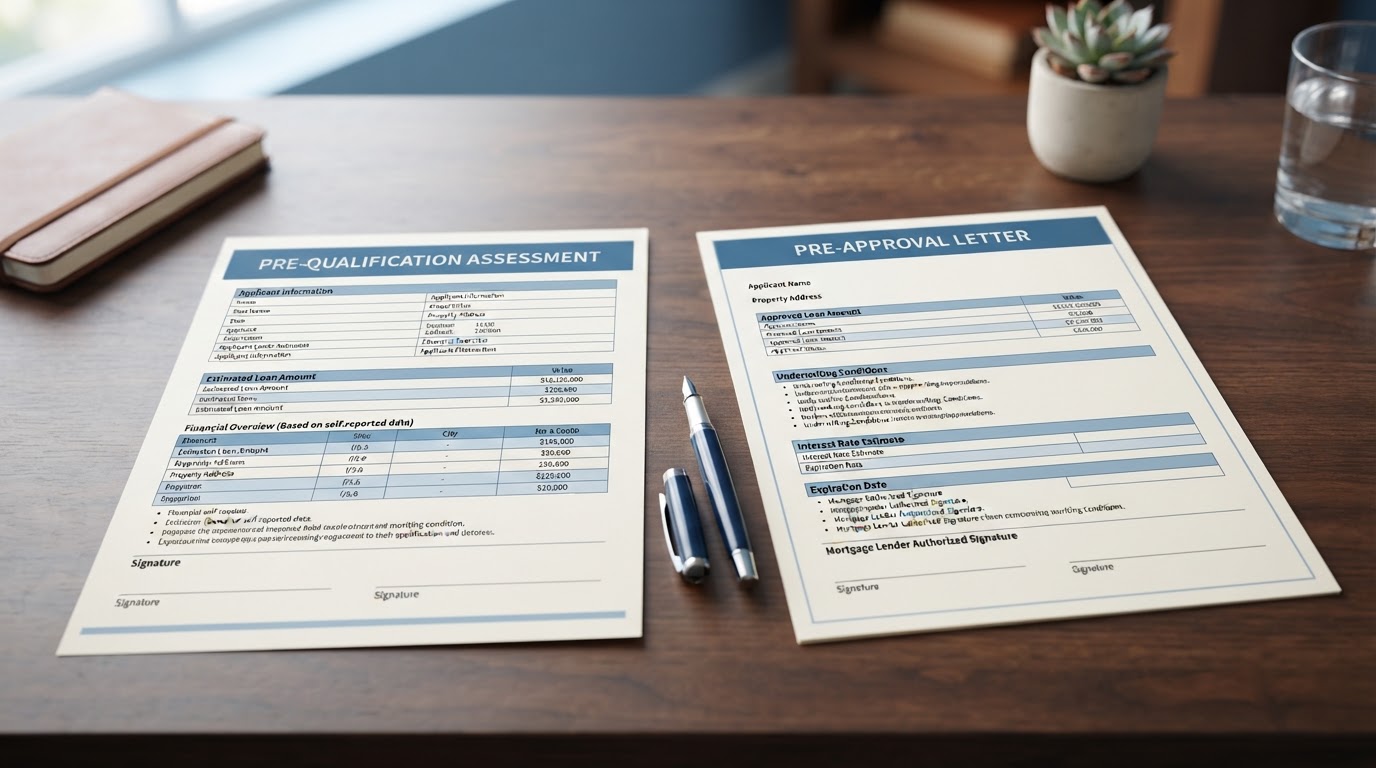
- Get pre-approved to understand what you may qualify for.
Frequently asked questions
Can I use rental income to qualify? Often, yes. Lenders may count a portion of expected rental income toward your qualification, usually with a lease or a rent estimate.
Is the down payment higher for an investment property? Typically, yes. Investment property loans usually require a larger down payment than loans for a primary residence.
Can I buy an investment property with a VA or FHA loan? VA and FHA loans are generally for primary residences, with some exceptions. Ask your loan officer about your options for investment properties.
Do I need reserves for an investment property? Lenders often require reserves for investment properties, sometimes several months of mortgage payments per property.
Ready to finance a rental home?
When you are ready, get a free quote or get pre-approved with Alex.
You can also call Alex Al-Ammar at (313) 992-9898 or email Alex@vestalending.com.
This article is for general information only. It is not legal, tax or financial advice. Investment property loan requirements vary by lender and program. Speak with a qualified professional about your individual situation.