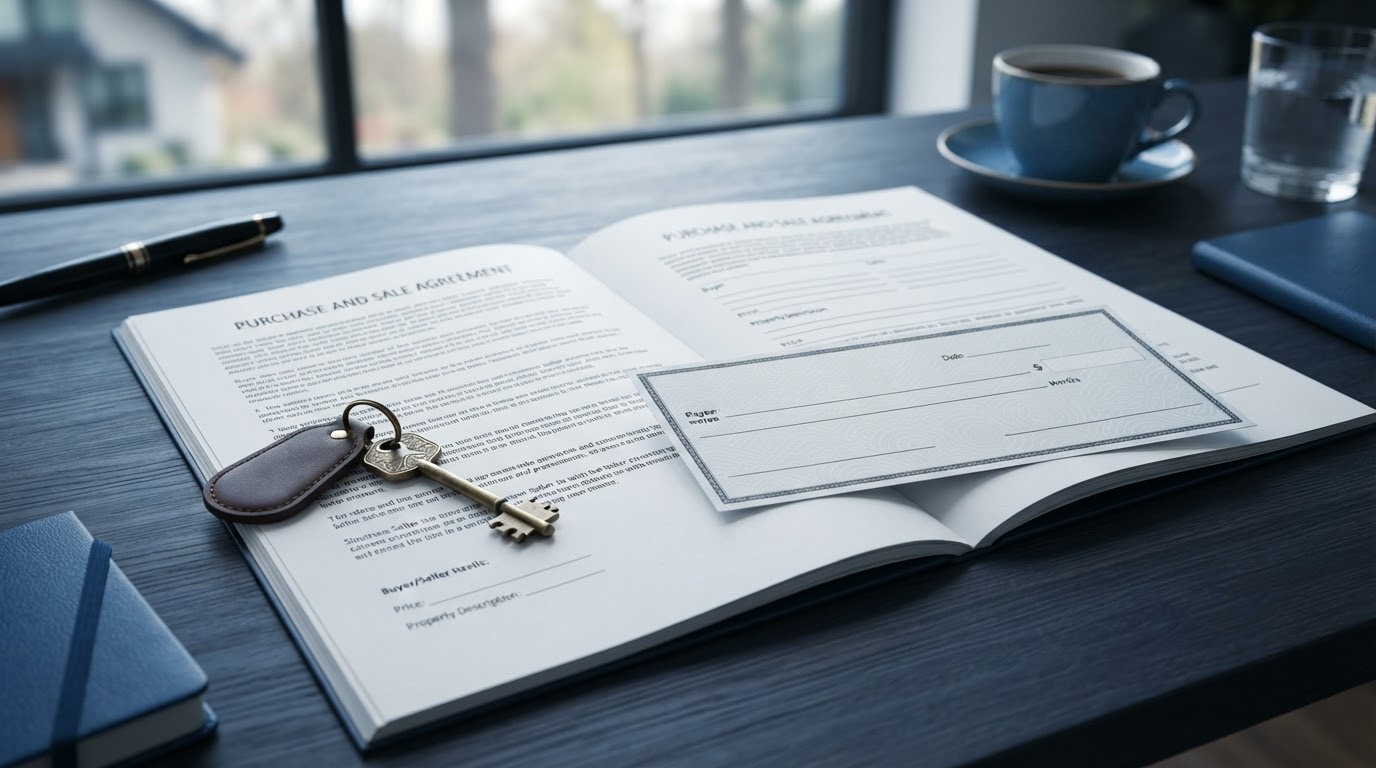
When you make an offer on a home, you may be asked to put down an earnest money deposit. Earnest money shows the seller you are serious about buying the home. Understanding what earnest money is and how it works can help you protect your money and strengthen your offer.
The short answer: earnest money is a good-faith deposit you make when your offer is accepted. It is usually held in an escrow account and often credited toward your down payment or closing costs at closing. Whether it is refundable depends on your contract and its contingencies.
What is earnest money?
Earnest money is a deposit you make when you sign a purchase agreement with a seller. It tells the seller you are committed to the deal. If you walk away from the sale for a reason not covered by your contract, you may lose the deposit. If you close on the home, the earnest money is usually applied to your down payment or closing costs.
The amount varies by market and price range. In some areas it is a flat amount; in others it is a percentage of the purchase price. Your real estate professional can help you decide an appropriate amount for your market.
How earnest money works
- You make an offer and include an earnest money amount.
- The seller accepts (or counters) the offer.
- The earnest money is deposited into an escrow account, usually held by a title company, escrow agent or attorney.
- The funds stay in escrow while the sale is processed.
- At closing, the earnest money is typically applied to your down payment or closing costs.
The deposit is not paid directly to the seller. It is held by a neutral third party until the sale closes or the contract ends.
Who holds the earnest money
Earnest money is usually held in an escrow account by a neutral third party, such as:
- A title company
- An escrow company
- A real estate attorney
- Sometimes the listing brokerage, depending on local rules
The holder keeps the funds safe and disburses them according to the contract. Never hand earnest money directly to the seller.
How earnest money is credited at closing
If the sale closes, your earnest money is usually applied to your costs at closing. It may go toward:
- Your down payment
- Your closing costs
- Prepaid items like taxes or insurance
The exact application depends on your contract and your closing statement. Your closing disclosure will show how the deposit was applied.
When earnest money may be refundable
Whether your earnest money is refundable depends on your contract and its contingencies. Common contingencies that can protect your deposit include:
- Financing contingency: if you cannot get a loan under the terms in your contract, you may be able to cancel and get your deposit back.
- Appraisal contingency: if the home does not appraise for the purchase price and you cannot renegotiate, you may be able to cancel. Learn more about appraisal gaps.
- Inspection contingency: if a home inspection reveals issues and you cannot reach an agreement with the seller, you may be able to cancel.
Read your contract carefully. Contingencies usually have deadlines. If you miss a deadline, you may lose the protection and your deposit.
When earnest money may be at risk
You may lose your earnest money if you:
- Cancel the sale for a reason not covered by a contingency
- Miss a contingency deadline
- Simply change your mind
Some contracts also let the seller keep the deposit if the buyer fails to close after all contingencies are met. Always read your contract and ask your real estate professional or attorney to explain the deadlines and risks.
How to protect your earnest money
- Understand your contingencies and their deadlines.
- Stay in close contact with your lender and real estate professional.
- Respond quickly to requests for documents or information.
- Do not make major financial changes (new credit, large purchases, job changes) during the process.
- Get everything in writing.
Frequently asked questions
Is earnest money the same as a down payment? No. Earnest money is a deposit made when your offer is accepted. A down payment is the portion of the purchase price you pay at closing. Earnest money is often credited toward your down payment at closing.
How much earnest money do I need? The amount varies by market and price. Your real estate professional can help you decide an appropriate amount.
Is my earnest money refundable? It depends on your contract and contingencies. If you cancel for a reason covered by a contingency and meet the deadlines, you may get it back. If you cancel for an uncovered reason, you may lose it.
Who holds my earnest money? Usually a neutral third party such as a title company, escrow company or attorney holds it in an escrow account.
Ready to make a strong offer?
When you are ready, get a free quote or get pre-approved with Alex.
You can also call Alex Al-Ammar at (313) 992-9898 or email Alex@vestalending.com.
This article is for general information only. It is not legal, tax or financial advice. Earnest money rules vary by contract and jurisdiction. Speak with a qualified real estate professional or attorney about your individual situation.